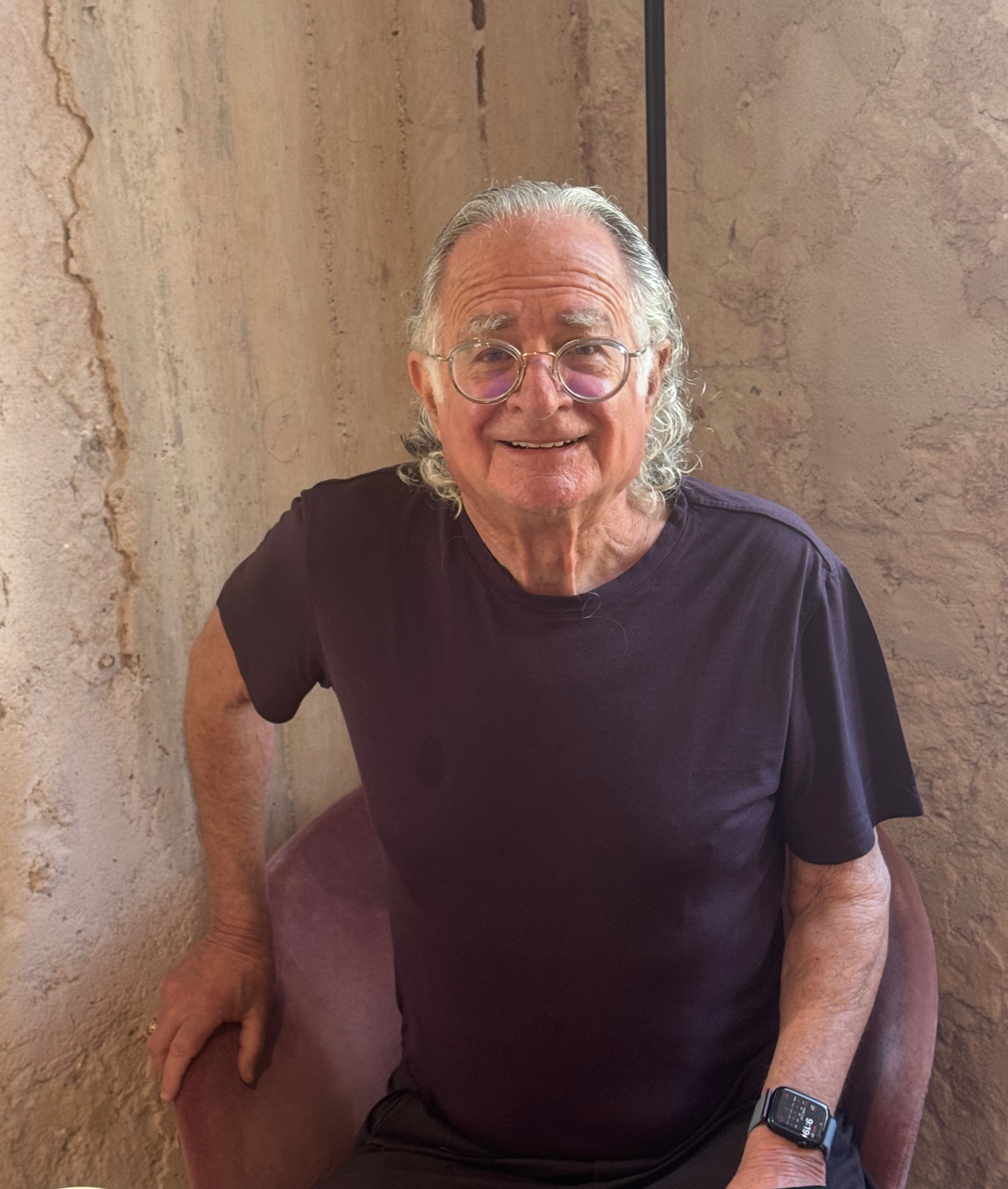
Ho riflettuto sull'impatto dell'intelligenza artificiale sulla salute e su cosa questo possa significare per il concetto di età. Solitamente quando parliamo di longevità pensiamo a quanto vivranno le persone. I più esperti in questo argomento dividono la questione in durata della salute e durata della malattia, sperando di avere non solo più giorni, ma giorni migliori.
Potremmo chiederci se raggiungeremo i 100 o i 120 anni o forse vivremo ancora più a lungo. Questa potrebbe essere la domanda meno interessante. Prevede che semplicemente rallenteremo il nostro invecchiamento, ma altrimenti le cose rimarrebbero uguali. Non credo che sarà così semplice e i risultati potrebbero ridefinire chi siamo davvero.
Oggi definiamo l’invecchiamento un processo semplice. Ho 81 anni. Il prossimo anno avrò 82 anni. Se avrò la fortuna di vivere ancora per dieci anni, avrò 91 anni. Questo è l’età cronologica e non c’è nulla da fare al riguardo. Il tempo va avanti. Come dice uno scherzo: “Invecchiare è meglio dell’alternativa”.”
Ma c’è un altro concetto: l’età biologica. Si tratta di una stima dell’età funzionale e fisiologica del corpo, anziché di quante anni sono trascorsi da quando è nato. Esistono diversi modi per calcolarla. Non voglio entrarci nel dettaglio. Sinceramente, i vari metodi sono ancora molto primitivi. La maggior parte di essi fornisce un’età unica. Ho fatto misurare l’età biologica con TruDiagnostic circa tre anni fa. Mi è stato molto gratificante scoprire che l’età biologica era calcolata come 15 anni più giovane dell’età cronologica. Ma non attribuisco a questi test o ad altri test commerciali molto peso. Non affrontano la complessità del nostro corpo e dare un solo numero all’età è dove inizia il più grande errore.
Un aspetto essenziale dell’età è che non tutte le parti del nostro organismo hanno la stessa aspettativa di vita. Ciò ha implicazioni importanti. Immaginate un uomo di 80 anni le cui funzioni corporee sono simili a quelle di un uomo medio di 70 anni. Ora supponiamo che la medicina diventi sempre più efficace nel rallentare l’invecchiamento. Dieci anni dopo quella persona avrà un’età cronologica di 90 anni, ma biologicamente avrà 75. Questo sarebbe un risultato davvero notevole. A un certo punto la sua aspettativa di vita aumenterebbe di un anno ogni anno. Questo è ciò che viene definito la velocità di fuga dalla longevità. Ma come ho detto, vivere più a lungo non comunica realmente cosa potrebbe accadere.
Finora l’attenzione si è concentrata sul rallentare il processo di invecchiamento. Ma è probabile che in un certo momento potremo effettivamente invertire l’invecchiamento. Andiamo un passo oltre: cosa accadrebbe se diventassimo capaci non solo di rallentare l’invecchiamento biologico, ma anche di invertirne alcuni aspetti? Il nostro 80enne, che biologicamente aveva 70 anni, raggiunge i 90 anni cronologicamente e è diventato biologicamente 60 anni.
L'età cronologica è aumentata di dieci anni. L'età biologica è diminuita di dieci anni. Immagino un grafico che mostri questo, ma più ci ho pensato, più mi sono reso conto che era un grafico sbagliato. Era unidimensionale perché non siamo tutti uguali nell'età cronologica. Alcuni di noi hanno il cuore cinque anni più giovane dell'età cronologica, ma le ginocchia sono dieci anni più vecchie.
Non siamo mai stati una sola epoca
Probabilmente non esiste un'età biologica unica. Il mio fegato potrebbe funzionare come quello di un uomo di 60 anni, mentre i miei reni funzionerebbero come quelli di un uomo di 70 anni. Il mio sistema cardiovascolare potrebbe essere di un'altra età, i miei muscoli di un'altra, il mio sistema immunitario di un altro e il mio cervello di un altro.
Non si tratta di fantascienza. L’invecchiamento umano è sempre stato eterogeneo. I diversi organi e sistemi invecchiano a tassi diversi, e gli scienziati stanno ora sviluppando metodi per misurare queste differenze. Quindi forse non dovremmo parlare del nostro età biologica. Dovremmo parlare delle nostre età biologiche. Siamo sempre stati mosaici di età.
Quello che l’intelligenza artificiale e la biotecnologia faranno è rendere queste differenze ancora più evidenti. Supponiamo che diventiamo molto bravi a rigenerare i muscoli, ma non tanto bravi a rigenerare la pelle. Potrei avere 70 anni e la forza di un uomo di 40. Supponiamo anche che diventiamo straordinariamente bravi a mantenere la cognizione. Potrei avere un volto di 80 anni, reni di 70 anni, un sistema cardiovascolare di 50 anni e un cervello che funziona come quello di una persona di 40 anni.
Allora, quanti anni ho davvero?
La stessa domanda inizia a perdere significato. Conoscere l’età cronologica è una novità recente. Ma è diventata un fattore di grande importanza. È un’informazione estremamente utile per comprendere la storia personale di una persona e ciò che potrebbe aver vissuto. Tuttavia, non ci dice la sua età biologica. Diciamoci che qualcuno ha 20, 50 o 80 anni e io già ho un’idea abbastanza precisa di come appare quella persona, di quanto sia forte, di quanto sia fisicamente capace e, in una certa misura, dei suoi rischi per la salute. Queste cose sono sempre state collegate tra loro. Forse non lo saranno più.
Possiamo essere tanto vecchi quanto la nostra parte più debole
C’è un altro modo di pensare all’invecchiamento, soprattutto quando ci poniamo il problema di noi stessi. A volte dico che siamo tanto vecchi quanto il nostro pezzo più critico. Più precisamente, siamo tanto vecchi quanto il nostro pezzo più vulnerabile.
Posso essere in ottima forma. I miei muscoli possono essere forti, il mio cervello può funzionare splendidamente e il mio cuore può svolgere il suo compito. Ma i miei reni stanno cedendo. Se un sistema essenziale si deteriora rapidamente, quel sistema può determinare quanto tempo vivrò. La media non aiuta quando un singolo componente fondamentale crolla.
Questa è una delle ragioni per cui dedico così tanto tempo a cercare di capire cosa sta succedendo nel mio corpo. Guardo i test del sangue, le risonanze magnetiche, i dati cardiaci, i dati sul sonno e tutto ciò che posso misurare. Sono particolarmente interessato alle tendenze. Non mi basta sapere se la misura odierna rientra nella definizione di “normale” per una determinata popolazione. Voglio sapere se qualcosa sta cambiando. Sono sempre in allerta.
In un senso reale, io sto cacciando. Sto cercando di identificare, il prima possibile, ciò che tenterà di uccidermi. Non considero questo qualcosa di morboso. Lo considero una cosa sensata. Se qualcosa dovesse diventare un serio problema, preferirei scoprirlo cinque anni prima piuttosto che sei mesi dopo.
Il cancro è un buon esempio. L’ho già affrontato tre volte: il cancro alla prostata, il melanoma e il cancro alla vescica. Non credo che questo significhi che abbia vinto la mia battaglia contro il cancro. Ho vinto tre battaglie e presumo che possano esserci altre.
La sorveglianza fa parte del modo di sopravvivere.
Questa è una delle aree in cui l’intelligenza artificiale apporterà un enorme cambiamento. Oggi le informazioni mediche sono frammentate. Un medico esamina un sistema particolare; un altro esamina qualcosa di diverso. I test del sangue vengono effettuati occasionalmente, le immagini vengono acquisite occasionalmente e i dispositivi indossabili generano un altro insieme di dati. Ogni strumento fornisce un pezzo del quadro. Ma chi controlla continuamente l’intero quadro? Ho ora integrato tutte le mie informazioni mediche in un agente IA—un agente che ha accesso ai miei dati medici di trent’anni e conosce la mia chimica ematica, le immagini, i farmaci, la genetica, l’attività fisica, il sonno, i ritmi cardiaci, la pressione sanguigna, le prestazioni cognitive e centinaia di altre misure, nonché le mie informazioni genetiche. Ancora più importante, riconosce me. Può individuare schemi che la maggior parte, se non tutti, i medici avrebbero perso di vista. Invece di chiedere se la misura della funzionalità renale di oggi è normale per un uomo di 81 anni, chiede se qualcosa è cambiato rispetto a quanto è stato normale per Avram negli ultimi quindici anni. Forse nessun singolo cambiamento è allarmante. Ma l’agente nota cinque cambiamenti sottili che si verificano insieme e dice: qui sta succedendo qualcosa. Vediamo cosa è. Può anche suggerire le cose che posso fare per migliorare la mia longevità.
Questo trasformerà la medicina. Passeremo dall’attendere che la malattia si manifesti fino a cercare continuamente il prossimo punto debole. Correggiamo il problema cardiovascolare e forse i reni diventano il fattore limitante. Correggiamo i reni e forse si tratta di cancro. Controliamo il cancro e forse la neurodegenerazione diventa il problema. Quindi ci concentriamo su questo. La longevità diventa un processo continuo di individuazione e riparazione del prossimo punto debole, oltre che di rafforzamento degli altri.
E se non cresciamo insieme?
C’è un’altra conseguenza che non avevo considerato fino a poco tempo fa. Supponiamo che le persone invecchino allo stesso ritmo.
Immaginate un paio di coniugi che si sposano con un divario di cinque anni. Cinquanta anni dopo sono ancora separati di cinque anni. Cronologicamente, questo resterà sempre così. Biologicamente, forse no. Supponiamo che sia disponibile un nuovo trattamento per il ringiovanimento. Un partner risponde straordinariamente bene grazie a una combinazione di genetica, funzione immunitaria e circostanze biologiche. L’altro no. Dieci anni dopo potrebbero avere 85 e 90 anni cronologicamente, ma uno funziona come se avesse 50 anni, mentre l’altro funziona come se avesse 85 anni. Una differenza di cinque anni è diventata in pratica una differenza di 35 anni.
Che effetto ha questo sul matrimonio? Una persona potrebbe desiderare di viaggiare, lavorare, sciare, fondare una società o iniziare un altro capitolo della propria vita. L’altra potrebbe avere sempre più bisogno di cure. Abbiamo sempre parlato di invecchiare insieme. Forse alcuni coppie non lo faranno.
E poi la situazione diventa ancora più strana. Supponiamo che i loro figli siano nella quarantina. Il genitore di 90 anni, rigenerato, potrebbe essere biologicamente e funzionalmente più giovane del figlio di 65 anni. Chi è l’anziano? Chi si prende cura dell’altro?
Siamo abituati a vedere le generazioni passare attraverso la vita in un ordine prevedibile. I genitori invecchiano. I figli diventano adulti. In seguito i figli possono prendersi cura dei genitori. Ma cosa succede quando l’età biologica non rispetta più gli ordini delle generazioni? Due persone nate nello stesso giorno potrebbero in seguito essere biologicamente separate da decenni di età.
Se vogliamo avere figli in età più avanzata, potremo farlo. Quindi non sarà così raro avere genitori con figli più giovani dei propri nipoti. Sì, un altro crollo di quello che abbiamo considerato normale.
Le relazioni umane si basano in parte sul fatto che viviamo insieme nella vita. Cambiare il ritmo con cui gli individui invecchiano potrebbe quindi cambiare il matrimonio, l’amicizia, l’assistenza ai familiari e il rapporto tra genitori e figli. Una delle strane conseguenze della sconfitta dell’invecchiamento potrebbe essere scoprire che non viviamo più insieme.
Cosa succede alle fasi della vita?
Ciò solleva una domanda ancora più grande. Tutte le nostre civiltà sono organizzate sulla base dell’assunto che la vita umana segue una curva prevedibile. Cresciamo, andiamo a scuola, lavoriamo, formiamo una famiglia, ci prendiamo una pensione, invecchiamo e alla fine moriamo. Possiamo dividere la vita in tre fasi: la prima è quella in cui impariamo, la seconda è quella in cui mettiamo in pratica ciò che abbiamo imparato e la terza è quella in cui ci prendiamo una pensione.
Perché l’istruzione dovrebbe essere concentrata nei primi venti o venticinque anni di vita se si può rimanere cognitivamente vigili per un secolo? Perché avere una sola carriera? Forse le persone avranno cinque. Perché andare in pensione a 65 anni se biologicamente si è 45? Perché accumulare denaro per una pensione che potrebbe durare più a lungo di tutta la vita lavorativa? Perché ereditare i soldi dei propri genitori a 60 anni se i propri genitori sono biologicamente più giovani di te?
La longevità potrebbe richiedere di ridisegnare istituzioni che normalmente non consideriamo legate alla biologia: l’istruzione, la carriera, la pensione, il matrimonio, l’eredità, le pensioni, la politica. Anche gli stadi della vita potrebbero iniziare a scomparire.
La giovinezza può diventare un bene di lusso
Tutto ciò ha anche una dimensione economica scomoda. Le prime tecnologie di ringiovanimento davvero efficaci difficilmente saranno economiche, e probabilmente le prime a riceverle saranno le persone più ricche. Ciò potrebbe creare un modo completamente nuovo per mostrare la propria ricchezza.
Oggi riconosciamo la ricchezza attraverso case, auto, vestiti e viaggi. In futuro potremmo riconoscerla guardando la persona stessa. Incontra qualcuno che, pur essendo cronologicamente 85 anni, sembra di 60, si comporta come una persona di 45 anni e ha l’energia e la capacità cognitiva di qualcuno di decenni più giovane. Immediatamente si capisce qualcosa su di lui: può permetterselo.
Ma c’è un’altra possibilità. Le persone possono cambiare ciò su cui decidono di spendere i loro soldi. Supponiamo che non siate particolarmente ricchi, ma che abbiate accumulato dei risparmi. Si può comprare una casa più grande. Si può acquistare un’auto costosa. Oppure si può acquistare altri dieci anni di salute. Cosa scegliereste?
Credo che molte persone sceglieranno gli anni. Il vero lusso potrebbe rivelarsi non essere qualcosa di cui possedere davvero. Può essere il tempo. O, più precisamente, la capacità di rimanere in forma mentre il tempo passa.
Politica senza età
La politica potrebbe diventare particolarmente strana. Oggi un politico invecchiato deve inevitabilmente affrontare domande sull’età. Ma immaginate un candidato di 82 anni che dice: “Sì, sono cronologicamente 82 anni. Ma il mio età cardiovascolare è 58, la mia età cognitiva è 52 e le mie prestazioni fisiche corrispondono a quelle di un 55enne medio.”
I candidati potrebbero rilasciare rapporti sull'età biologica insieme ai loro record medici. Certo, avremmo subito iniziato a discutere delle misurazioni. Quali test contano? Chi li effettua? Le campagne possono scegliere l'orologio biologico che fa sembrare i candidati più giovani?
Ma la questione politica fondamentale potrebbe cambiare. Invece di chiedersi se questa persona sia troppo vecchia per essere presidente, potremmo chiedercene quali aspetti di questa persona sono realmente vecchi.
E c'è anche un'altra possibilità più scomoda. Se il ringiovanimento è costoso, i politici ricchi potrebbero essere biologicamente più giovani proprio perché possono permettersi trattamenti che molti dei loro elettori non possono permettersi.
La geopolitica della giovinezza
Lo stesso paradosso si riscontra tra i paesi. Molti dei paesi più ricchi di oggi sono anche tra i più vecchi. I tassi di natalità sono bassi e le popolazioni invecchiano. Nel frattempo, molti paesi più poveri possiedono qualcosa che i paesi più ricchi sempre più mancano: i giovani.
Ma cosa succede se i paesi ricchi imparano a rendere i vecchi giovani? Non in senso cronologico; un uomo di 80 anni rimane comunque un uomo di 80 anni. Ma supponiamo che quest’uomo di 80 anni abbia il sistema cardiovascolare di qualcuno di 50 anni, i muscoli di qualcuno di 45 anni e le capacità cognitive di qualcuno molto più giovane. All’improvviso, una popolazione invecchiata non significa necessariamente una popolazione in declino.
Possiamo avere due tipi di paesi giovani. Uno è giovane perché la sua popolazione è nata di recente. L’altro è giovane perché la sua popolazione può permettersi di non invecchiare biologicamente. Qual è il vantaggio maggiore? Non lo so.
In un giovane paese africano potrebbero trovarsi milioni di persone energiche che entrano nel mondo del lavoro. In un paese europeo o asiatico ricco potrebbero trovarsi scienziati, medici, ingegneri e imprenditori che rimangono altamente produttivi fino agli anni ottanta e novanta del loro ciclo lavorativo. Immaginate un ricercatore con sessanta anni di esperienza e le capacità cognitive che attualmente associamo all’età media. L’esperienza stessa comincia a maturare.
E alla fine le tecnologie di rimodellamento potrebbero diventare economiche. Poi il bilancio cambia di nuovo, poiché i paesi con grandi popolazioni di giovani naturali acquisiscono le stesse tecnologie. Forse un giorno non chiederemo più semplicemente quanti abitanti vivono in un paese o quale è il loro indice di maturità media. Chiederemo invece quanti anni hanno biologicamente quelle persone e chi può permettersi di mantenerle giovani.
Perché fermarsi solo ai più giovani?
Ma c’è un presupposto sepolto in tutto ciò che ho scritto finora che sto sempre più mettendo in discussione. Perché la giovinezza è l’obiettivo? Perché dovrei essere soddisfatto se, a 90 anni, ho le capacità cognitive che avevo a 40? Perché non dovrei essere più intelligente di quanto lo fossi a 40?
Mi considero un atleta cognitivo. Credo che la formazione cognitiva abbia svolto un ruolo importante nel mio sviluppo cognitivo. Non mi sono mai interessato solo a mantenere i livelli attuali. Voglio migliorare: imparare più velocemente, riconoscere i modelli meglio, migliorare la memoria e l’attenzione, comprendere cose complesse più facilmente. Non voglio semplicemente evitare di diventare meno capace con l’avanzare dell’età. Voglio diventare più capace.
L’IA potrebbe rendere quella idea enormemente più potente. Immaginate un’intelligenza artificiale che comprenda esattamente come imparo, che conosca i miei punti di forza e debolezza e che sviluppi continuamente esperienze e esercizi progettati per migliorare la mia cognizione. Combinate tutto ciò con i progressi nella neuroscienza, nella farmacologia, nella neurostimolazione, nelle interfacce cervello-computer e cose che ancora non abbiamo immaginato. Allora forse l’obiettivo non è mantenere l’intelligenza. È aumentarla.
Possiamo trasformare le persone comuni in quello che oggi chiameremmo geniali? Perché non porci almeno questa domanda? Accettiamo che anni di allenamento possano trasformare un corpo umano ordinario in quello di un atleta straordinario. Perché presumere che il cervello debba rimanere per sempre limitato a ciò che la natura ci ha dato?
E perché fermarsi al cervello?
Non ho mai considerato me stesso un atleta fisico. Non mi è semplicemente piaciuto molto. Ma interessa a molte altre persone.
Immaginate un uomo che ha trascorso tutta la vita correndo. Oggi, il successo a 80 anni significa correre in modo straordinariamente efficiente per un uomo di 80 anni. Forse un giorno quel criterio scomparirà. Supponiamo che la medicina rigenerativa ripristini i muscoli, le articolazioni e i tendini. I trattamenti cardiovascolari migliorino la distribuzione dell’ossigeno. L’intelligenza artificiale ottimizzi continuamente l’allenamento, la nutrizione e il recupero per quel particolare individuo. A 85 anni, quel corridore potrebbe non solo correre così bene come lo faceva a 60 anni. Potrebbe correre più velocemente di quanto non abbia fatto a 35 anni. Un nuotatore potrebbe stabilire un record personale a 90 anni. Una persona potrebbe diventare più forte a 75 anni di quanto non lo fosse a 30 anni. Allora la consueta curva di crescita umana, il picco e il declino, non ci descriverà più più come individui. Forse il tuo ricordo più bello avverrà a 75 anni. La tua più grande conquista intellettuale a 90 anni. Il tuo tempo di corsa più veloce a 80 anni. Il tuo periodo più creativo a 100 anni.
“Longevità” sembra una parola inadeguata per descrivere questo aspetto. Non si tratta semplicemente di vivere più a lungo, ma di continuare a svilupparsi.
A che età ti sentiresti?
Potrebbe anche esserci un'età che non ha nulla a che fare con la biologia.
Supponiamo che io sia cronologicamente 110 anni. Il mio corpo funziona come quello di una persona di 50 anni. Le mie capacità cognitive sono migliori rispetto a quando avevo 40 anni. Ma ho ancora 110 anni di ricordi. Ho visto nascere e morire persone. Ho vissuto relazioni, successi, fallimenti, dolore, amore e forse diverse carriere completamente diverse.
Mi sentirei di 50 anni? Dubito fortemente.
Possiamo creare persone fisicamente giovani e dotate di straordinarie capacità cognitive, ma psicologicamente diverse da qualsiasi essere umano che abbia mai vissuto. Immaginate di possedere la vitalità fisica della mezza età, oltre a un secolo di esperienza di vita. Non abbiamo idea di come sarebbe quella persona.
Solo speculazioni
Quasi tutto ciò che ho descritto potrebbe rivelarsi errato per quanto riguarda la tempistica o il grado di successo. Misurare l’invecchiamento non è la stessa cosa che invertirlo. L’IA potrebbe darci mappe sempre più sofisticate del modo in cui i nostri organi invecchiano molto prima che la medicina ci dia modi affidabili per renderli nuovamente giovani. Alcune forme di invecchiamento potrebbero rivelarsi straordinariamente difficili da invertire. Alcuni interventi potrebbero funzionare solo per alcune persone. Alcuni potrebbero avere conseguenze che non avevamo previsto. Non c’è alcuna garanzia che un uomo di 80 anni possa mai diventare biologicamente uguale a un uomo di 50 anni.
Ma non credo che sia necessario sapere che queste cose avverranno per pensare seriamente a cosa succederebbe se alcune di esse si avessero effettivamente realizzate. La direzione del viaggio è già interessante. Stiamo migliorando nel misurare la biologia. Stiamo migliorando nel manipolare la biologia. E l’IA sta migliorando nel trovare modelli nella complessità che gli esseri umani non avrebbero mai potuto sperare di comprendere senza l’aiuto di strumenti sofisticati.
Seppur queste tre cose siano in relazione tra loro, può sembrare ragionevole porre delle domande che suonano molto assurde.
Abbiamo creato l’IA. L’IA ci creerà?
E questo mi porta al pensiero più strano di tutti.
Gli umani hanno creato l’IA. Ma forse l’IA creerà gli esseri umani del futuro.
Abbiamo creato l’intelligenza artificiale sfruttando l’evoluzione del cervello che ci ha dato. Ora l’IA può aiutarci a comprendere questi cervelli in modo da potercela migliorare. Questi cervelli migliorati potranno poi diventare più capaci di creare IA. Questo IA più potente migliorerà ulteriormente la nostra qualità di vita. E così via.
Gli esseri umani più intelligenti creano un’IA più intelligente. L’IA più intelligente crea esseri umani più intelligenti.
Per centinaia di migliaia di anni, l’evoluzione determinò le capacità fondamentali dell’Homo sapiens. Non abbiamo scelto la nostra capacità di memoria. Non abbiamo scelto quanto velocemente impariamo. Non abbiamo scelto quanto tempo i nostri muscoli restino forti o come il nostro cervello invecchi. Abbiamo ereditato tutto questo.
Forse questo sta per cambiare. Per la prima volta, l’intelligenza stessa potrebbe partecipare alla progettazione del suo successore. E quel successore potrebbe essere noi.
Ciò significa che forse ho iniziato questo saggio con la domanda sbagliata. La domanda non è quanto vivranno gli esseri umani. Non è nemmeno quanto possano rimanere giovani. La domanda è: che cosa sarà un essere umano?
Non ho idea. Ma sospetto sempre più che gli esseri umani che vivranno alla fine di questo secolo non saranno semplicemente versioni più longeve di noi. Possono essere qualcosa che non abbiamo mai visto prima. E a 81 anni c’è persino una piccola possibilità che una qualche forma di me sia presente per osservare tutto questo.
Gli esseri umani hanno creato l’IA. L’ironia più grande potrebbe essere che la creazione più importante dell’IA si riveli essere la prossima versione dell’uomo.