Living in Israel, I often think about the Palestinian situation. For years, there was talk of a Two-State Solution. It first became a significant discussion in the early 90s during the Oslo Peace Process. That talk has faded, and almost no one in Israel or Palestine thinks it is possible. Frankly, I don’t think it was ever possible because of various historical, economic, and security issues. I often joke that the only two-state solution I believe in is one for the Israeli and Palestinian and Israeli politicians and a second state for Israeli and Palestinian citizens.
Israel moves from the right to the extreme right.
The political situation in Israel, with the most right-wing government in its history, has made the concept of a Two State Solution even more remote. Furthermore, the settler movement, which involves Israelis establishing settlements in the West Bank with the Israeli government providing security, services, and highways, has resulted in what I call ‘the slicing and dicing” of the West Bank. It has created “facts on the ground” that would be virtually impossible to remove.
The biggest obstacle has always been Israeli security. It is hard for people like Americans to understand how tiny Israel is. If you include the Negev, a desert region that makes up almost 60 percent of the area of Israel where only about 10% of the population lives, it is about the size of the San Francisco Bay Area. The middle of the country is sometimes referred to as “Israel’s Waist .” At that point, Israel is only nine miles wide, about the length of the bridge that connects San Francisco with Oakland.
Generally, Israelis seem unaware of the West Bank, as strange as that may sound. But then again, I asked people in San Diego if they ever think of Tijuana, a city just 30 minutes away by car, and they say no. Israelis tend to live in the moment. They are extremely busy with both work and family. The internal issues of Israel are more immediate and concerning to the general Israeli Jewish population.
The border between Israel and the West Bank is about 450 miles long. While portions of the border have separation walls, mostly, they are very porous fences. About 20% of the West Bank’s GNP comes from Palestinians working in Israel proper and even includes workers from Gaza. The construction industry, for example, is very dependent on Palestinian workers. Israel would have had many more Palestinian workers if not for the security issues. Instead, it has to import workers from other countries. Palestinian workers are paid on par with Israeli workers, earning much more by working in Israel than in the West Bank or Gaza.
A Bit of History
The United Nations created two independent countries out of the British Palestinian Mandate. They recognized that the approximately 1.2 million Arabs living in Palestine would not accept the 600 thousand Jews living there as equal citizens. The Arabs were also concerned that many of the European Jews living in resettlement camps in Europe due to the Holocaust would find their way to the region. The land that made up Palestinian Mandate had been under the control of the Ottoman Empire for about 400 years, which Turkey lost during World War I and which was then administrated by the United Kingdom. So the United Nations decided to partition the land into the Jewish State of Israel and the Arab State of Palestine. Israel was to have 5,400 square miles. The vast majority of this land, more than 80%, was to be the Negev Desert. It still represents more than 60% of the area of Israel but less than 10% of its population.
The original proposal by the United Nations would have been unsustainable. Just look at the map. However, the Government of Israel under Ben Gurion accepted the proposal, but the Arabs rejected it. The 1948 War of Independence resulted. The Arabs also call this event the Nakba or the “disaster.” More than 700,000 Palestinians were displaced. There is a lot of controversy about how this came about. I will not go into that here. In this part of the world, we can not only disagree about the future but also the past. The War of Independence resulted in an Israeli state about 40% larger than the original proposal and with better, although complex, borders. A Palestinian state was not established. Instead, Jordan annexed the West Bank, and Egypt took over Gaza. Jordan granted citizenship to the residents of the West Bank. Egypt did not.
How the Arab Nations Enabled Israel to Survive
After the War of Independence, approximately 800,000 Jews were expelled from the Arab countries in North Africa and the Middle East, where they had lived for more than 2000 years. Organizations such as BDS conveniently overlook this when they claim that Palestinian refugees have a right to return to Israel. They never mention that the Jews forced out of their homes should also have the right to return. Most of those expelled came to Israel. They did not have European roots resulting in a doubling of the Jewish population. Today, about half the people of Israel have roots in these countries. Not only did this provide a significant increase in the population, but it was also from a group with nowhere else to go. I doubt that Israel would have survived without this migration. Furthermore, in many countries where Jews had been expelled, they made significant contributions, and these countries lost a vital resource.
It stayed that way until 1967, almost twenty years later, when Israel was once more at war with its neighbors. This war lasted only six days and resulted in Israel occupying the West Bank, Gaza, and the Golan Heights, which it took from Syria. It would eventually annex the Golan Heights. Finally, however, it thought it could make a deal with Jordan to return the West Bank to it in exchange for a peace treaty and do the same with Egypt regarding Gaza. But neither Jordan nor Egypt had any interest, and Israel stuck with both territories. I consider this a great blunder on the part of Israel. Other than keeping East Jerusalem, it should have never occupied the West Bank and Gaza.
Much of historical Israel was located in the West Bank (west of the Jordan River) and was historically referred to as Judea and Samaria. Many Jews felt that this area should be part of Israel, and slowly, they built settlements there. In general, the Israeli government has supported the building of these settlements for various reasons, many of which are political. I do not support this action. I do not believe Israelis should be allowed to build settlements in the West Bank. I do not include areas adjacent to Jerusalem that would be part of Israel if there was an agreement. But the settlements in the West Bank proper do not benefit Israel’s economy or security. Although, some would disagree.
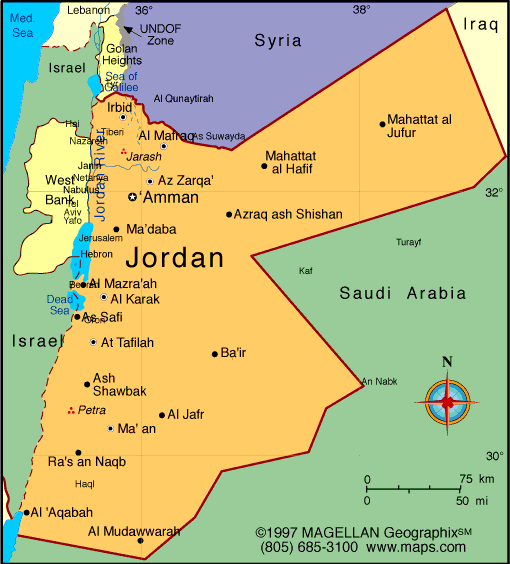
One possible solution many have proposed would be making the West Bank part of Jordan again. That has merit, in my opinion. Israel already shares a 300-mile border with Jordan. But the Jordanians do not want this. There were several attempts to assassinate the King of Jordan by Palestinians. The leadership of the Palestinians was forced to leave Jordan. Perhaps with enough financial incentives, Jordan could be persuaded, but I don’t think the Palestinians would accept this. They believe they have been promised a state of their own and want it even though they don’t know how such a state could exist economically.
Is a Palestinian State Feasible?
I have struggled to understand how there could be a separate Palestinian state. The West Bank lacks the resources needed to be economically independent. But on the other hand, there could be significant opportunities related to Israel’s Start-Up Nation, which requires workers.
It would take at least 20 years to develop to the level of maturity needed to support an independent nation. Without a plan to develop the country economically, a Palestinian state would become a failed state like Lebanon or Syria. Worse, it could become another Gaza, but one in which Israel would have no choice but to re-occupy. How would this serve the people of Palestine? It would not.
It could have been a lot worse, at least from the Israel point of view. The United Nations created two independent countries out of the Palestinian Mandate. They recognized that the approximately 1.2 million Arabs living in Palestine would not accept the 600 thousand Jews living there as equal citizens. The Arabs were concerned that many of the European Jews living in resettlement camps in Europe due to the Holocaust would find their way to the region. The land that made up Palestinian Mandate had been under the control of the Ottoman Empire for about 400 years, which Turkey lost during World War I and which was then administrated by the United Kingdom. So the United Nations decided to partition the land into the Jewish State of Israel and the Arab State of Palestine. Israel was to have 5,400 square miles. The vast majority of this land, more than 80%, was to be the Negev Desert. It still represents more than 60% of the area of Israel but less than 10% of its population.
The original proposal by the United Nations would have been unsustainable. Just look at the map. However, the Government of Israel under Ben Gurion accepted the proposal, but the Arabs rejected it. The 1948 War of Independence resulted. The Arabs also call this event the Nakba or the “disaster.” More than 700,000 Palestinians were displaced. There is a lot of controversy about how this came about. I will not go into that here. In this part of the world, we can not only disagree about the future but also the past. The War of Independence resulted in an Israeli state about 40% larger than the original proposal and with better, although complex, borders. A Palestinian state was not established. Instead, Jordan annexed the West Bank, and Egypt took over Gaza. Jordan granted citizenship to the residents of the West Bank. Egypt did not.
Do the Arab Countries Care about the Palestinians?
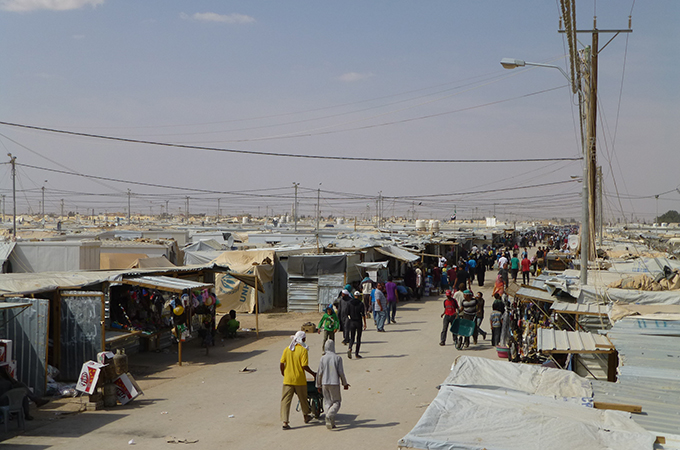
I do not believe that the various Arab nations care very much about the Palestinians. In many states, they have kept the refugees in camps where they still live after three generations. For instance, the Lebanese do not give them citizenship.
Israel is a wealthy and prosperous country. The rich and successful Arab counties are starting to identify with Israel. They are certainly interested in having the benefits of a relationship with Israel. Even Saudi Arabia is working with Israel on security and economic development.
Palestinians Divisions
Just like Israeli Jews are not a monolith, so are the Palestinians, with four major groups, not counting those living outside the region. It is essential to understand that they do not share the same interests.
- Israeli Arab Citizens that identify as Palestinians
- Palestinian residents of Jerusalem
- Palestinians living in the West Bank
- Palestinians living in Gaza
Israeli Arabs have the same rights as all citizens. However, they are sometimes treated as second-class citizens in much of the same way African Americans and Latinos are treated as second-class citizens in the USA. I don’t know for sure, but I would think they would support the creation of an independent Palestinian State as long as they did not have to be part of it. Perhaps some would move there because of the lower real estate costs while retaining Israeli citizenship and benefits.
About 400k Palestinians live in Jerusalem, which is almost 40% of the Population of Jerusalem. They became official residents of Israel when Jerusalem was reunified after the six-day war. They have the right to get Israeli citizenship, but few have done this, and I am sure the process is probably difficult. They have all the benefits of Israeli citizenship besides the right to vote in national elections. They can vote in local elections, but most choose not to, which amazes me since they could greatly influence Jerusalem policies.
While they might want to be part of an independent Palestinian state, it is uncertain. They would have to give up access to Israeli health care, schools, services, and retirement. In addition, they are economically dependent on working in West Jerusalem.
The West Bank Palestinians are subject to Israeli occupation to different degrees depending on where they live. Area A is under the administrative and security control of the Palestinian Authority. It contains all the major cities. Area B is under Palestinian administrative control but shares security responsibilities with the Palestinian Authority. Area C is administrated and secured by Israel. Area C is where there are Israeli settlers which outnumber Palestinians. Area C is the largest area; it is not developed and would be challenging in many cases. The Israelis living there depend on the State of Israel and receive subsidies and donations. It also includes some large areas that are suburbs of Jerusalem and the city of Ariel. Also included are settlements in the Golan Heights. Syria claims this area, but Israel has annexed it.
The fourth area is Gaza which has been called an open-air prison camp. The situation there under Hamas is horrible. Israel left Gaza in 2005. It left farms and factories that were then destroyed by the local population. Hamas took over control in 2007. I would need another blog post to discuss Gaza.
My Proposal
Writing about the situation is pretty depressing. However, I have forced myself to come up with a proposal. I am afraid it is the best one I could come up with.
Many nations commit to a “Marshal Plan” for the West Bank and Gaza. The plan, which would also require the agreement of Israel, has a timeline for various things which would take place over twenty years. In the end, the Palestinians would have an independent country. The plan would involve significant economic development. The objective would be to bring the average income of the Palestinians to reach the same level as Arabs living in Israel proper. Currently, Arabs living in Israel earn about $2,600 a month. Israeli Jews make twice as much on average. Palestinians, on the other hand, earn about $1,000 a month.
Some settlements would become part of Israel as part of a fair land swap. The other would stay part of Palestine. However, the people living there would be subject to Palestinian law and taxes. An equal number of Palestinians would be allowed to live in Israel but would be subject to Israeli law and taxes. The Israelis living in Palestine would still be Israeli citizens and would vote in Israeli elections. The Palestinians living in Israel would be Palestinian Citizens and vote in Palestinian elections.
Significant parts of East Jerusalem would become part of Palestine. A tunnel would be built connecting the West Bank to Gaza. A significant port would be built in Gaza. For Palestinian traffic, a new terminal would be made at the Ben Gurion airport. Palestinian border control and customs would happen there. Busses would take people to and from this terminal to the West Bank.
A group of countries from the G7 nations would administer the plan. The step-by-step plan would be dependent on the Palestinian Authority maintaining security. Acts of terrorism would set back the progress and perhaps result in the plan’s termination.
I have not dealt with issues related to Gaza. However, keep in mind the Palestinians are politically divided, with the Palestinian Authority controlling the West Bank and Hamas governing Gaza since 2007. While the PA is on record as accepting the right of Israel to exist, Hamas does not accept this. If these two entities can not agree to the plan, Gaza and its more than 2 million inhabitants would be left out.
What if there is no Solution
It is improbable that there is a solution for the situation and that the status quo will continue for the foreseeable future. If it were not for the recent change in the political situation, I would say that Israel would become stronger and stronger and the Palestinians weaker and weaker. Now I fear for Israel’s future not because of the situation with the Palestinians but because of the ultra-orthodox and their role in governing.
I should also mention that the Palestinian Authority is exceptionally corrupt. It is led by Abbas, who is 86 years old. He was elected to a four-year term in 2005. His tenure has been extended every since without an election. There is no clear successor. Abbas is in poor health. I know that he comes to Jerusalem every week for medical treatment. Hamas is also a corrupt organization. The last election there was in 2006. The lack of leaders on the Palestinian side that are genuinely interested in finding a solution is only matched by the lack of leaders on the Israeli side.
Nakba II
This morning I read an article by Gideon Levy, a columnist for the left-leaning Haaretz, one of Israel’s major newspapers. I seldom agree with Levy, who is even too left for my tastes. Today, as he has often done, he declared that the Two-State Solution is dead. In its place, he believes there are only two paths. One is for a One-State democratic country comprised of Jews and Arabs. The total population of Israel, the West Bank, and Gaza is about 14 million, which is roughly divided into 50% Jewish and 50% Arab. Almost 9 million people identify as Palestinian but do not live in Israel, the West Bank, or Gaza. Of these, more than 3 million live right next door in Jordan. Likely, a half-Jewish and half-Arab state surrounded by Arab nations would fail. Most likely, most Israelis would leave the country before its formation. Such a state would never be acceptable to the Israeli Jews.
That leaves the other possibility Levy outlines that the 4.2 million Palestinians in the West Bank and Gaza are forced out. That would also never happen. How could it happen? It is unthinkable and undoable.
What Will Happen?
Sadly, there is no chance my proposal will be accepted and implemented. What I think will happen is more of the same for at least another 20 years. Then what? Hard to say; in twenty years, so much will change in the world.