https://avram.substack.com/p/the-flight-of-a-wild-duck-start-here
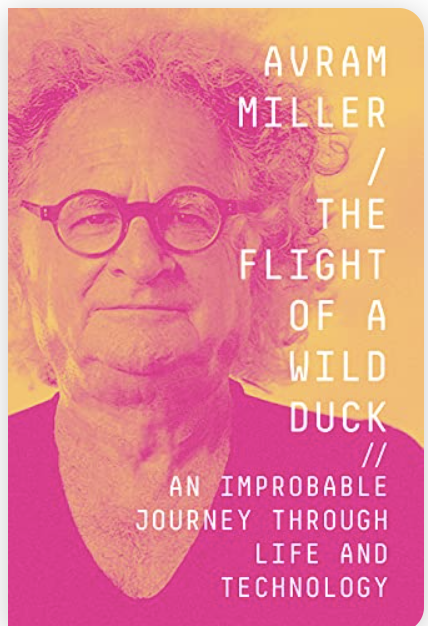
It took me three years to write my memoir. The first year was spent doing research, the second writing, and the third editing. I enjoyed the process immensely.
I had three audiences in mind while writing it. The first was people like me or parents of people like me who could not follow the normal path through life. The second was readers interested in the history of technology and the computer industry. The third was people fascinated by early-stage investing, innovation, and entrepreneurship.
That combination made the book somewhat unconventional. But I could not really write three separate books.
I had also intended to include a section called Lessons, one hundred short lessons, each only a page long. But by then the manuscript was already 340 pages, and I had spent three years on it. I decided instead to publish those lessons separately someday. I still intend to do that.
The book was published in 2021. It has sold fewer than a thousand copies. I never expected it to become a bestseller, and I certainly did not write it for money, but those numbers have still been disappointing.
I believe the book is both well written and historically valuable. After all, I was “in the room” when many of the decisions that shaped the technological world we now live in were made and often by me. I felt that part of my contribution to the future of technology was helping document its past. But if nobody reads the book, it is hard to accomplish that goal.
I chose to self-publish rather than work with a traditional publisher because I wanted complete editorial freedom. But that also meant I had little guidance on how to market the book, and in retrospect I made a strategic mistake.
I decided to promote it primarily through podcast interviews. Looking back, that was probably not very smart. If someone listens to an hour-long interview with me, they may feel they already know the story and no longer need to read the book. And I suspect that many podcast listeners simply read fewer books.
Selling the book through Amazon created another barrier: people had to buy it, even though I never cared much about the monetary side. I also found Kindle Direct Publishing surprisingly unfriendly and opaque. There are people who know how to game the system and maximize visibility, but I neither understood those tricks nor wanted to spend my time learning them.
For quite a while, I had been thinking about putting the book on Substack. I did not want it behind a subscription wall. I simply wanted the entire book available — for free. On Substack, people can share links not only to the book itself but to individual chapters. That creates at least the possibility that the book could spread organically.
What held me back was learning the ins and outs of Substack. But yesterday, Claude Cowork and I finally made it happen. It is not perfect yet. I still want to add visuals as Claude could not move those over automatically. There are a few formatting issues. But it is already 95% of what I hoped it would be. I will fix the rest over time.
So I am inviting you to read all or part of The Flight of a Wild Duck. And if you think it is worthwhile, I would deeply appreciate it if you shared the link with your social network and with anyone who might enjoy the story.
https://avram.substack.com/p/the-flight-of-a-wild-duck-start-here
Thank you.

I read The Flight of the Wild Duck after I was laid off from Intel in autumn 2024. The robotics division was closed, and many engineers lost their jobs.
This book left a very deep impression on me. I could read it all day without going outside, just sitting and turning the pages. It felt like fresh air.
After five years in the corporate world, I realized that my vision had become very narrow and short-sighted. I had started to believe that success meant having a stable engineering job in a well-established company like Intel. Maybe that was not the smartest idea. That environment slowly killed much of my talent and creative thinking.
Now I still do not fully know where to go, especially in an AI-first world. But I still hope to find my place.
Whenever I feel apathetic or lost, I remember the fascinating stories from this book. It contains so many valuable ideas, people, and venture-capital connections. If read carefully, it can open the door to new connections — or at least lead you toward the right people.
LikeLike
Thank you for your touching comment.
LikeLike
THANK YOU for putting this on Substack!!! In terms of audience – I fall in category’s 2 and 3. I keep a Gold List of books that I feel are important for my grandchildren to read to understand how we got to where we are now technologically speaking. Authentic voices and lived experiences are priceless! Welcome to my Gold List!!!
LikeLike